



















Section 01 is locked at revision r181. Revision r181 preserves the r180 opening choreography and controls while replacing the C detail screen from Section C.docx, expanding its eGeMAPS and MFCC references, applying the approved affective-state paragraph change in A, and replacing B's closing literature notes with the approved State of Voice-Cue Science note. Revision r286 applies only James's explicitly reopened final-pass changes to the Section 01 footer controls, opening-cue typography, A and C research links, the named B and C boxes, and restoration of the global swipe primer with the true opening state. Revision r304 additionally sets every Section 01 analysis-element phase to 222 milliseconds; r303 sets every authored scroll-triggered hold and inter-step gap in Sections 01 through 04 to 222 milliseconds and shortens the final signal cleanse to 882 milliseconds. Fades, other visual transition durations, gesture thresholds, and exact reverse behavior remain unchanged. Revision r323 keeps the native-stack Section 01 as two complete, reader-controlled plates. The first places two human-heard hero lines above one full-size comparison frame and the three analytical hero lines below it. Its microphone-tile divider and keyboard range control reveal the completed analytical signal suite over the clean blue carrier without resizing either waveform; A, B, and C become operable as their controls enter the revealed field. The second returns to the clean blue carrier beneath the closing disclosure boundary. The enlarged top navigation and the persistent Contact Us, About Us, and Terms of Use utilities apply throughout this local review.

00 of 03

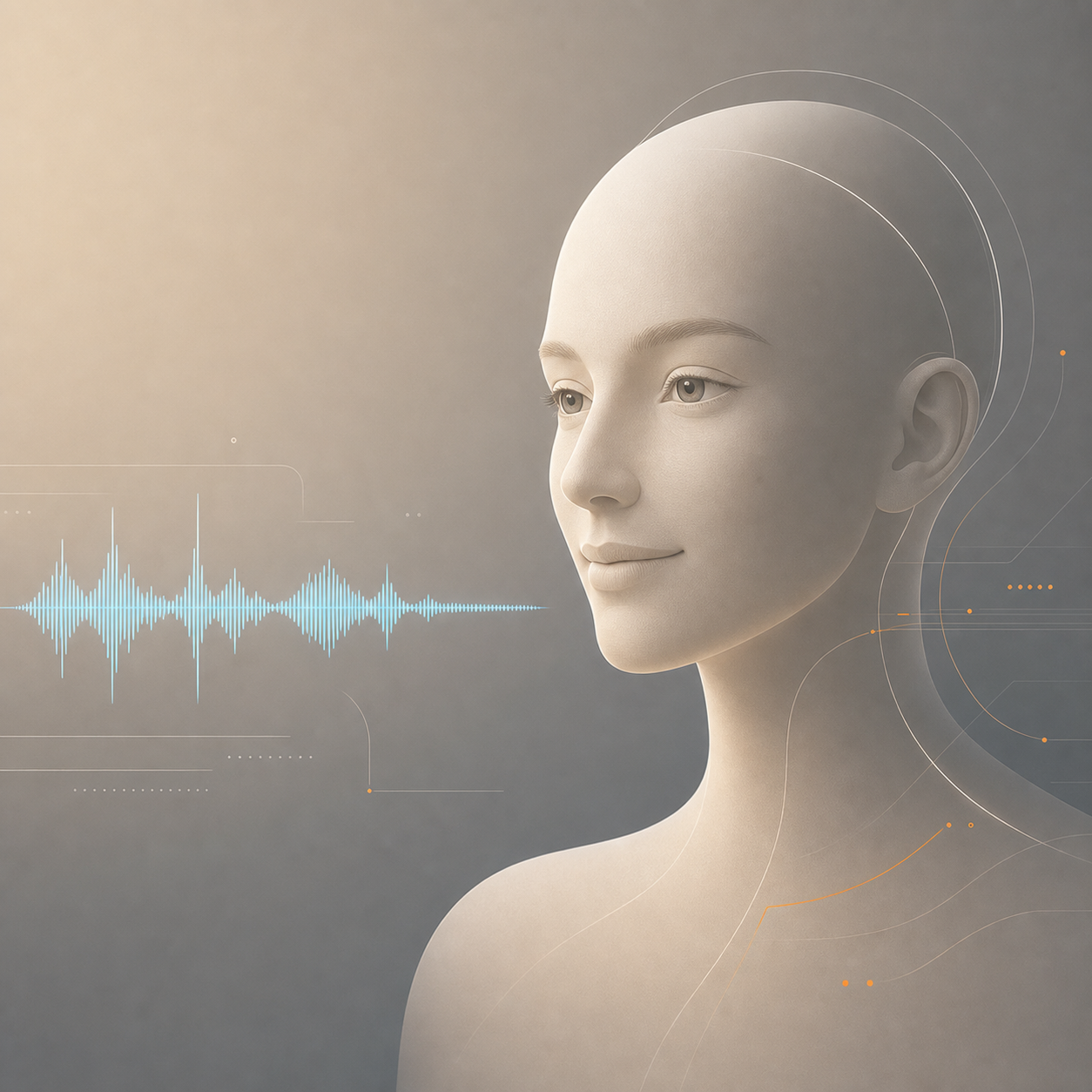
This simple sound wave is what voice looks like to the human ear... but there is a deep layer no one can hear, full of psychological and physiological data. DeCue ensures that unheard layer remains unavailable, including to AI voice systems.

This simple sound wave is what voice looks like to the human ear... but there is a deep layer no one can hear, full of psychological and physiological data. DeCue ensures that unheard layer remains unavailable, including to AI voice systems.

Operators of AI voice systems measure stress, anxiety, and confidence: per word, phrase, and section. They use data patterns in voice to accurately diagnose mental and physical health conditions. Unintentional, unavoidable disclosure about the executives on the quarterly call is extracted and monetized.

Investors have acquired a superhuman, machine-driven capability. They trade on information no one should hear or know. You chose your words. Now draw the line. DeCue your call.

ONE SCROLL OR TWO-FINGER SWIPE ADVANCES ONE STEP

SELECTED SIGNAL LAYER
  1. The first complete page places three human-heard and protection statements above one comparison frame and three statements about AI voice analysis below it. The frame opens on the clean blue carrier. A directly draggable microphone handle and a keyboard-operable range control reveal the complete analytical layer from left to right without changing the registered waveform geometry. The A, B, and C controls become available as they enter the revealed field and open the Word-Level Scoring, Health Condition Pattern Recognition, and Emotion and Affect Indicators dialogs.
  2. The second complete page returns to the clean blue carrier beneath three disclosure-boundary statements: investors have acquired a superhuman machine-driven capability; they trade on information no one should hear or know; and the speaker can draw the line by DeCueing the call. Ordinary reader-controlled scrolling moves between these two pages.

Voice Technology Convergence

Section 02 remains layout- and choreography-locked. Its opening uses James's corrected final domino image in a deterministic 1586 by 520 top-and-bottom crop. The crop leaves every domino untouched, retains breathing room around the subject, and removes the decorative corner star. A small strip of page background remains visible beneath the image so its full lower boundary is visibly confirmed across fullscreen viewports. No other Section 02 copy, timing, layout, interaction, or asset should change unless James explicitly reopens the section. Revision r280 raises only the opening domino frame at medium desktop widths to remove the confirmed browser breakpoint dead band without changing the image, copy, or choreography. Revision r281 gives the complete headline first claim on wide-fullscreen vertical space and proportionally fits the unchanged domino frame into the clean space that remains. Revision r282 adds measured cross-platform clearance at wide-short and tablet-portrait viewports. Revision r285 changes only the three chain-label and terminal-domino typography. Revision r287 returns the three chain labels to the center of their corresponding domino rows at every viewport width while retaining the r285 smaller regular-weight type. It also constrains the unchanged image to one exact 1586 by 520 frame, clips image pixels at that frame, binds both half-pixel rules to its top and bottom edges, and keeps the terminal title beneath the waveform domino. Revision r288 replaces only the three 02A hero lines and inserts the source-linked Dawning of AI Voice Technology page immediately after the domino opener. The former science timeline and Advanced Voice Systems pages remain intact as the third and fourth pages. Revision r289 changes only the second and third 02A hero lines. Revision r290 restyles the supplied-logo convergence page with a title and three hero lines, places Google Research and OpenAI in equal evidence columns, moves the Advanced Voice Systems page ahead of the science timeline, revises the hardware hero, and repairs the final Section 02-to-03 handoff. Revision r291 removes the standalone Hard Take-Off headline, restores the page to the shared three-line hero grammar, and enlarges its source-linked evidence within the available frame. Revision r292 moves the six application bullets above the two logos, removes the red link and bullet accents, and adopts the Room-Workstation-Laptop page's sans-serif and monospaced type pairing. Revision r293 reserves the completed hero before the application strip, moves each logo, label, and dated evidence ledger toward its outer edge, and removes the white radial wash so the complete Hard Take-Off viewport is vellum. Revision r294 keeps the domino frame's bottom hairline and suppresses the redundant fixed footer separator on the opening page. Revision r295 vertically centers the Hard Take-Off source field beneath the application strip, adds its requested line spacing and uppercase dates, and expands both source ledgers with release-scale evidence. Revision r296 extends the application rule to both viewport edges and connects the center rule continuously from that rule to the footer boundary. Revision r297 renders the lower evidence markers as literal hyphen glyphs and links the Hard Take-Off capital claim to a reusable, full-screen funding-record detail page. Revision r303 sets every authored hero-line hold on each Section 02 page to 222 milliseconds; its four-page right rail remains derived from the authored beat count and reports 00 through 03. Revision r321 replaces only the domino opener's two hero lines and enlarges the six Hard Take-Off application cases in a left-led responsive list; the authoritative domino frame and linked source records remain unchanged. Revision r324 makes the Google Research and OpenAI page the Section 02 opener, revises its three hero lines, keeps Room-Workstation-Laptop second, and moves the unchanged domino page after both as the convergence payoff. The scientific-literature timeline remains last. Revision r327 combines the Google TRILLsson and OpenAI Whisper releases with the 2022 laptop in one three-stage Room-Workstation-Laptop timeline. The Domino cover follows as the convergence payoff, and the scientific-literature timeline remains last. Revision r328 removes the superseded Google/OpenAI opening line and six-application ledger, removes the first two Room-Workstation hero lines, and places the three surviving claims above the combined timeline. Revision r329 makes democratization the combined timeline's explicit thesis: machine learning removed the blockers, Google and OpenAI democratized advanced voice, and a capable laptop was enough. Revision r330 removes the repeated science-and-blocker argument from the Domino cover. Its complete job is now to connect democratization to enormous incentives and opportunity, legitimate applications, unintended consequences, and the overlooked privacy problem. Revision r331 restores the approved science-to-privacy Domino cover as page A, keeps the combined democratization timeline as page B, and pulls the six-company grid with its funding overlays forward from Section 03 as page C's evidence of incentives and opportunity. The scientific timeline remains page D. Revision r349 removes the detached capability box and arrow, enlarges and proportionally contains the unchanged domino frame, divides the remaining space equally across the four zones above and below both hero groups, and uses one font size for all seven hero lines on the page. Revision r350 replaces only the final Room-Workstation-Laptop headline, enlarges all three Room-Workstation-Laptop hero lines equally while keeping them on one line, lets the image band crop vertically to yield the required type space, and raises the Domino hero size by fifteen percent only on canvases wide enough to keep all seven statements on one line. Revision r353 tightens the Domino argument with James's four replacement lines, shifts one-fifth of the Scientific Literature Timeline page's unused vertical space beneath the timeline, and adds a deliberate blank slice above the Section 01 closing statement.

02

The science of voice has developed broadly and steadily, but application was challenging. Hardware improved, but transcription and expertise remained blockers. Those barriers fell in 2H22 as one of the first real AI-transformer breakthroughs.

Voice science and hardware had been ready for years. Machine learning solved accurate transcription and voice-cue tagging in 2022. Advanced voice arrived all at once—followed by adoption, new science, and a .

Machine learning solved accurate transcription and voice-cue tagging in 2022. Google TRILLsson and OpenAI Whisper democratized access to advanced voice. Advanced voice capability has become easy to acquire, deploy, and operate on consumer hardware.

Linguistics and computer science merged in the 1990s. Computational paralinguistics had been decades in the making. Research accelerated after the 2022 capability convergence.

Three long domino chains progress from left to right and converge on a waveform-marked terminal domino at the far right
SCIENTIFIC RESEARCH HARDWARE ACCELERATION ACCURATE TRANSCRIPTION AND FEATURE-CODING
ADVANCED VOICE
TECHNOLOGY

Decades of overpromise and underdeliver gave way to extremely capable voice systems.

Advanced voice in the home, cars and many businesses is now common.

As are unintended consequences... deep fakes and voice cloning scams.

The most dangerous misuse has escaped notice... analytic surveillance.

  • Speech-to-text and voice-enabled tools for personal devices
  • Faster development of call-center systems
  • Improved voice-based health monitoring
  • Automated record creation
  • Multilingual transcription and translation
  • Many additional applications in development
Google Research

TRILLsson VOICE MODEL FAMILY COMPUTATIONAL PARALINGUISTICS EXTRACTION & FEATURE CODING

  • TRILLsson models produce compact speech representations for paralinguistic tasks, including speaker tone, emotion, and other non-lexical characteristics.
  • Distillation compressed CAP12's 2.2 GB teacher representation to models as small as 22 MB while retaining over 90% of its benchmark accuracy on six of seven tasks.
  • CAP12 came from layer 12 of a 600M-parameter self-supervised Conformer trained on Google's 900M+ hour YT-U dataset.
OpenAI Whisper

WHISPER VOICE MODEL FAMILY ACCURATE TRANSCRIPTION COMMERCIALLY VIABLE ACCURACY

  • OpenAI trained the Whisper model family at multiple scales—from Tiny (39M parameters; 76 MB checkpoint) to the original Large (1.55B parameters; 3.1 GB checkpoint)—rather than distilling Tiny from Large.
  • Whisper provides robust transcription, language-identification, and translation capabilities.
  • Its encoder-decoder Transformers were trained on 680,000 hours of multilingual, multitask supervised audio data.

See the timeline below for links to important voice-related science from 1981 through 2026.

THE SIZE OF A ONE-HOUR AUDIO FILE AND ITS SPECTROGRAM IS ~5.2 GB OF DATA COST BASIS: CONSTANT JUNE 2026 U.S. DOLLARS DRAM REFERENCE: STANFORD DAM

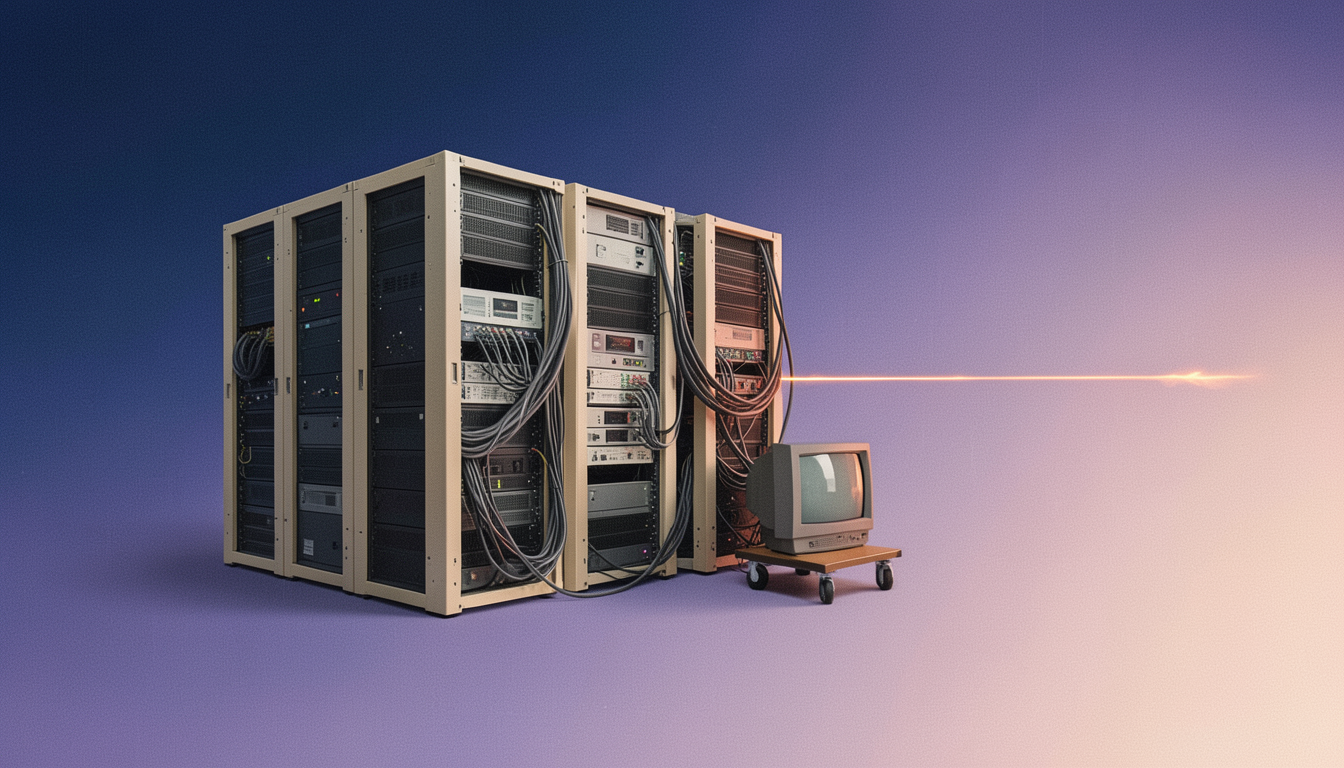
5.2 GB Installed-Memory Equivalent: ~$1.21 million Estimated Total System Cost: ~$2.34 million Expertise: Multi-disciplinary scientific team Extraction/Coding Time: 74 hours.

Numerous barriers of cost and time.

Room-scale racks and period computer
Advanced Voice System 1995 Open Release of Praat Voice Software

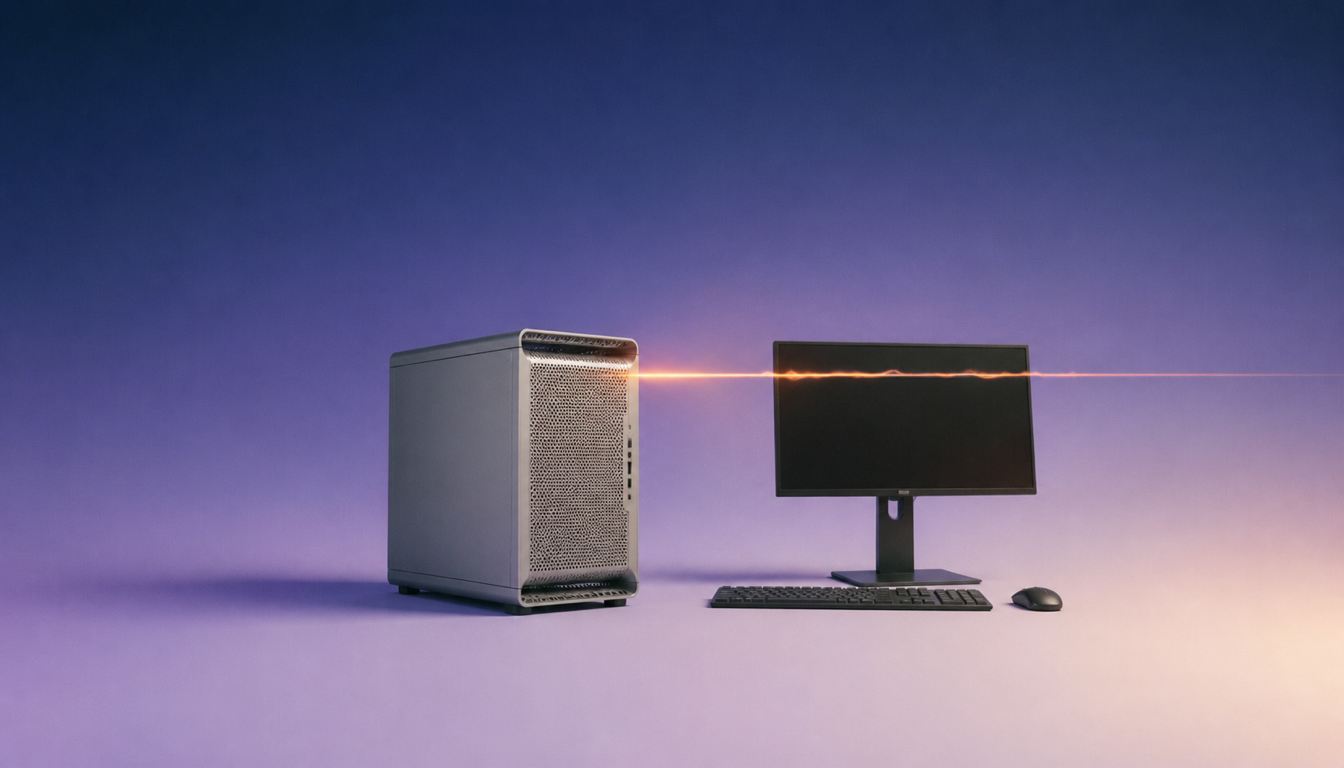
5.2 GB Installed-Memory Equivalent: ~$1,090 Estimated Total System Cost: ~$6,550 Expertise: Advanced Linguistics & Computer Science Extraction/Coding Time: 48.13 hours.

Feature coding remained a manual process

2010 professional tower workstation with monitor, keyboard, and mouse
Advanced Voice System 2010 openSMILE 1.0 and 1st INTERSPEECH Paralinguistic Challenge

5.2 GB Installed-Memory Equivalent: ~$150 Estimated Total System Cost: ~$2,740 Expertise: Not required Extraction/Coding Time: 0.13 hours.

Democratized Access

GOOGLE TRILLsson
COMPUTATIONAL PARALINGUISTICS / FEATURE CODING
  • Compact speech representations for tone, emotion, and other non-lexical characteristics.
  • Models as small as 22 MB retained over 90% of benchmark accuracy on six of seven tasks.
  • Derived from a 600M-parameter Conformer trained on Google's 900M+ hour YT-U dataset.
VIEW GOOGLE RESEARCH SOURCE
OPENAI WHISPER
ACCURATE TRANSCRIPTION / COMMERCIALLY VIABLE ACCURACY
  • Multiple model scales, from Tiny to the original 1.55B-parameter Large model.
  • Robust transcription, language identification, and translation.
  • Transformer models trained on 680,000 hours of multilingual, multitask supervised audio.
VIEW OPENAI SOURCE
Modern laptop computer
Advanced Voice System 2022 Google TRILLsson + OpenAI Whisper Open Releases
  1. Page A presents the science-to-analytic-surveillance domino argument. The three prerequisite chains converge on Advanced Voice Technology in the unchanged authoritative image. Four statements below describe advanced voice becoming common, unintended deep-fake and voice-cloning consequences, and analytic surveillance as the most dangerous unnoticed misuse.
  2. Page B compares Advanced Voice Systems in 1995, 2010, and 2022. It combines the existing workload, cost, expertise, and processing-time evidence with expandable Google TRILLsson and OpenAI Whisper release records attached to the 2022 laptop.
  3. Page C presents six voice-technology companies as evidence of incentives and opportunity. Each company has a real disclosure button that exposes its publicly announced funding or transaction record, including explicit boundaries where no public Series announcement was found.
  4. Page D presents a horizontally scrollable record of 89 research sources from 1981 through 2026. Shift-wheel, pointer dragging, keyboard navigation, and explicit left and right controls move the timeline; each record opens its publisher, archive, or research source.
HARD TAKE-OFF / FLOOD OF CAPITAL

An entirely new voice capability arrived all at once in late 2022. Then a wave of investment accelerated what was possible. Unlocking voice created enormous incentives and opportunity.

How voice technology was incorporated into sentiment analysis

Section 03 content and choreography remain locked at revision r234. Its opening image crop was explicitly reopened and adjusted at revision r256 without changing the displayed frame. Revision r349 lets the text-analysis panel use the complete logical-canvas remainder when a fine-pointer window crosses the desktop width floor; full-size geometry remains unchanged.

Voice technology was incorporated into “Sentiment Analysis.” Long after the technique was introduced and evaluated. This concealed an invasive practice that escaped notice or scrutiny.

Sentiment analysis was initially text-based NLP. Media mentions, adjective use, and sentence length were scored. None of this was alarming or required a reaction by issuers.

An entirely new voice capability arrived all at once in late 2022. Then a wave of investment accelerated what was possible. Unlocking voice created enormous incentives and opportunity.

An entirely new voice capability arrived all at once in late 2022. Then a wave of investment accelerated what was possible. Unlocking voice created enormous incentives and opportunity.

Invisible proprietary systems, operated silently. “Sentiment” vendors selling access to your subconscious. It sounds like science fiction, but it is real and already deployed at scale.

A corporate speaker addressing an audience from a lectern
01MEDIA MENTIONS

Count positive and negative coverage.

02ADJECTIVE USE

Score selected words and their frequency.

03SENTENCE LENGTH

Use length and complexity as simple proxies.

Deepgram
ElevenLabs
Hume AI
Markets EQ
Speech Craft Analytics
PUBLICLY ANNOUNCED CAPITAL / TRANSACTION RECORD VOICE CAPABILITY ATTRACTED CAPITAL AT SCALE
  1. Voice technology was incorporated into sentiment analysis long after the original technique was introduced and evaluated; this concealed an invasive practice that escaped notice or scrutiny.
  2. Sentiment analysis was initially text-based NLP. Media mentions, adjective use, and sentence length were scored. The conceptual collage contains a restored 123-term prepared-remarks word cloud, an adjective-frequency table, and a 32-period media-mention sentiment illustration. None of this was alarming or required a reaction by issuers.
  3. Invisible proprietary systems, operated silently. “Sentiment” vendors selling access to your subconscious. It sounds like science fiction, but it is real and already deployed at scale. The completed Section 01 indicator suite appears with operable A, B and C detail controls and is paired with sourced vendor capability language, including Speech Craft Analytics' statement that micro-patterns reveal the psychological state behind polished language.

What We Built

DeCue is, for now, the only available defense for earnings calls. It eliminates the machine-only layer of voice information. The speaker's natural tone and delivery are preserved for the human ear.

We were shocked that "Silent Suffering" identified non-consenting CEOs with depression. Our concern grew as we understood the ease of building or acquiring this voice capability. As synthetic voice is unacceptable for earnings calls, we developed a voice-preserving defense.

We corrupt the unintentional signal channel in sub-perceptual voice. Every function is firmly grounded in well-established peer-reviewed science. DeCue is computational paralinguistics applied below the human perception threshold.

We are deployed in a secure AWS environment for rapid, easy adoption by any issuer. We accept any format of pre-recorded call and begin to process it immediately. We notify you upon completion and return a DeCue'd file via secure link within two hours.

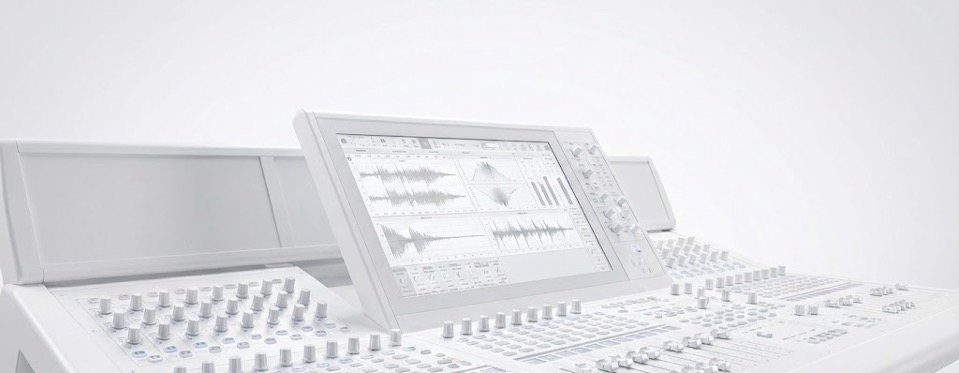
White digital audio mixing console with acoustic analysis visible on its central display

* For details of the silent suffering paper, click here.

Journal of Accounting Research cover; Silent Suffering was published in this journal
DeCue processing architecture from a pre-recorded audio file through format synthesis and speaker diarization, measurement, analysis and planning, processing algorithms, and output to DeCue'd Audio
A pre-recorded audio file moves through Format Synthesis and Speaker Diarization, the Measurement Module, the Analysis and Planning Layer, Processing Algorithms, and the Output Module to produce DeCue'd Audio. Cryptographic Randomization and Rules, Conditions and Constraints support the operating layers. The Scientific Foundation comprises Linguistics, Computational Paralinguistics, Perception Studies, Judgment and Decision Making, Persuasion Science, Social Psychology, Affective Computing, Signal Processing, Machine Learning, and proprietary work. Tools and Libraries include Whisper, Praat, librosa, openSMILE, pyAudioAnalysis, SciPy / NumPy, and proprietary work.

A NEW SAFE HARBOR

We strongly recommend a simple addition to your safe harbor language:

“Listeners are cautioned that today’s call has been protected by advanced signal-processing techniques that do not change the presenters’ voices as perceived by the human ear but corrupt sub-perceptual paralinguistic data contained in those voices—data that are private to today’s presenters and neither intended nor appropriate for public disclosure.”
  1. The first complete page combines why DeCue was built with its defense-and-preservation statement. The Journal of Accounting Research appears beside the enlarged DeCue scientific-foundation pipeline. Three lines build: We were shocked that Silent Suffering identified non-consenting CEOs with depression. Our concern grew as we understood the ease of building or acquiring this voice capability. As synthetic voice is unacceptable for earnings calls, we developed a voice-preserving defense. The same page also states that DeCue is, for now, the only available defense for earnings calls; it eliminates the machine-only layer of voice information; and the speaker's natural tone and delivery are preserved for the human ear.
  2. The second complete page shows a cyan voice waveform with an orange inner payload. A filter disrupts and scatters the orange payload while the outer waveform continues. Three lines build: We corrupt the unintentional signal channel in sub-perceptual voice. Every function is firmly grounded in well-established peer-reviewed science. DeCue is computational paralinguistics applied below the human perception threshold.
  3. The third complete page presents the recommended new Safe Harbor language. It states that DeCue is deployed in a secure AWS environment for rapid, easy adoption by any issuer. We accept any format of pre-recorded call and begin to process it immediately. We notify you upon completion and return a DeCue'd file via secure link within two hours.

SECTION 05 / WHO WE ARE

Who We Are

James Palczynski

James Palczynski

Co-Founder & Chief Executive Officer

jp@decuetech.com
Prof. Dana Carney

Prof. Dana Carney

Co-Founder & Chief Scientific Officer

dc@decuetech.com
Seth O'Neal

Seth O'Neal

Co-Founder & Chief Technology Officer

so@decuetech.com

CONTACT US

Talk to DeCue.

For company, service, or partnership questions, contact our team directly.

info@decuetech.com
Service updates

Receive occasional updates as DeCue's services become available.

DECUE SERVICE UPDATES

STAY INFORMED

Receive DeCue service updates.

Enter the email address where you would like to receive occasional updates.

Submitting sends your email address and consent directly to DeCue. See our Privacy Policy and Terms of Use.
DECUE FOUNDER BIOGRAPHY

SECTION 06 / FREQUENTLY ASKED QUESTIONS

Frequently Asked Questions

Select a question to read its answer. The most commonly asked questions appear first, followed by topic-specific guidance.

Most Commonly Asked Questions

Aren't you helping executives hide information from investors? Toggle answer

No. DeCue blocks no information of any kind that an investor typically does, in our view certainly should, and historically always has had access to on a quarterly call. Every word spoken, every meaning conveyed, and every audibly perceivable quality of the speaker's delivery is preserved exactly. Everything a human listener has ever received from an earnings call — in the room, on the line, or in the replay — passes through DeCue untouched. Rigorous analysis of that record is what markets are for. What we disrupt is something different: a machine-only layer of involuntary signal that the speaker did not choose to transmit, cannot perceive, and cannot control.

Consider what the operators of these systems actually seek. If anyone on a public call asked management to discuss their emotional state, their private health conditions, or whether their confidence on a particular topic was genuine, no management team we know would dignify the question with an answer — and not a person in the room or on the call would find that refusal improper. Those withheld answers are precisely what these systems extract: without the speaker's consent, without any disclosure that it is happening, in secret, to gain an advantage over the rest of the market through informational asymmetry. That asymmetry is created entirely by the operators of these systems — through no act or fault of the issuer.

To our knowledge, none of this is illegal today. We find it unethical all the same, and contrary to the spirit of decades of securities regulation built on a simple principle: all investors should have access to the same information, at the same time, through official channels, to make their investment decisions.

That is what DeCue protects. We defend a privacy interest that every one of us would claim for ourselves, and we ensure that markets act on the information issuers intentionally provide. We take issue with the idea that any investor should feel entitled to information that can only be extracted from a speaker by a superhuman capability — information the speaker never knew they were giving.

Is DeCue anti-AI? Toggle answer

No — closer to the opposite. The capabilities we defend against are not a defect of AI; they are among its most valuable traits. A machine that can hear stress, fatigue, or distress in a voice can interact with people far better than one that cannot, and the consent-based applications of that perception — patient monitoring, safer systems, genuinely responsive interfaces — are important and welcome. We would consider it a real loss if these capabilities were banned or degraded. DeCue does not restrict what AI systems can perceive; it restricts what one narrow category of audio makes available to be perceived, at the speaker's choice.

The problem is not the perceiver. It is the operator who points that perception at non-consenting speakers, in secret, to extract private information and trade on the asymmetry. In that scheme the AI is an instrument, not an author — an unwitting party to an exploitation it did not choose. Humans have always perceived one another's voices; what governs us is consent and context. Machine perception arrived at superhuman sensitivity with no governance attached, and in public, recorded speech there is only one place governance can attach: the signal itself, under the speaker's control, before the audio leaves their hands.

That is what DeCue is — not a blindfold for AI, but a consent layer for speakers. It lets an executive choose the contexts in which their involuntary vocal layer is readable, rather than choosing between total legibility to every system on earth and not speaking at all. And candidly: we believe unchecked covert exploitation is the fastest route to a backlash that would damage machine perception's legitimate uses along with its predatory ones. The best future for voice AI and the best future for the people it listens to are the same future — one where rich perception and meaningful consent coexist. DeCue exists to keep that future available.

How do you know executive voice is being captured and analyzed? Toggle answer

First, there are several third-party vendors who advertise this capability, particularly the extraction of voice signals from below the threshold of human perception. Two particularly visible vendors, who self-describe those capabilities, are Markets EQ and Speech Craft Analytics. Markets EQ is included as an “alternative data provider” on both the Bloomberg and FactSet platforms while Speech Craft, an experienced “sentiment analysis” provider, pursues a direct-to-customer distribution strategy.

Second, there are published academic papers that read like instruction manuals for assembling a cutting-edge voice analysis system. In general, the peer-reviewed literature on this topic is well-established with roots that show decades of replication success. While the corpus of literature accelerated dramatically following the convergence of necessary technologies in 2022, it had expanded steadily prior to that time. The most recent paper in our timeline, published by the University of Chicago Booth’s Journal of Accounting Research, claims a 3.87% excess return on a model portfolio that employs their system’s capabilities. We believe that if an excess return anywhere near that number is achievable, there would be a crowd of portfolio managers wanting such a system. Indeed, there have been over 50,000 downloads for the code associated with that paper on Hugging Face.

The third reason we have no doubt this is a widely deployed capability is because of the numerous press articles, media interviews and other materials in which these capabilities are discussed at varying levels of detail. We have trouble explaining why there has not been a public outcry or why awareness of the technology is somehow still low, despite these many articles. That said, it is of note that these systems are, by their nature, operated in complete secrecy. We also can think of no advantage to be gained by operators of proprietary systems or customers of a vendor to disclose use of this capability.

How do you know that the executive health information has been compromised? Toggle answer

Part of this we know with certainty, because it was published. Researchers built a system that analyzed the earnings-call voices of public-company executives and identified, without their knowledge or consent, which of them showed vocal markers of depression. That work appeared in the Journal of Accounting Research, and it is not an outlier: it is one of several published studies extracting involuntary signal from executive conference-call audio, several of which appear in the research timeline on this page. To the researchers' credit, this work was done in the open, which is exactly why it is visible. So the question is not whether such systems exist. They verifiably do. They work. And the people who built them told the world how.

How is this any different from NLP-based sentiment analysis? Toggle answer

The core difference is that NLP-based systems examined the textual content of disclosures. The adversaries we are concerned with extract and utilize disclosure content that was produced unintentionally, information that speakers themselves are unaware they have provided. This information in voice, at the sub-perceptual level, reflects the contents of the speaker’s subconscious mind, beliefs that may not even have yet risen to the level where the speaker has introspective access to them.

If investors requested this kind of information be made public, we believe those requests would be denied and dismissed out of hand. No public executive we know would consent to investor demands for regular polygraph exams or mental and physical health screening where the results of those tests would be made public. This new voice capability is akin to both, and can be operated not only without consent, but without even the subject’s awareness. These data are extracted, utilized selectively and without disclosure. We think that puts these new voice systems in a very different category than any previously known analytical tool or technique.

Since this is relatively new technology and it may prove inaccurate, isn’t concern about the use of it premature? Toggle answer

Not at all. First, we believe the vendors in this space are highly likely to be capable of providing precisely what they claim to be able to provide. It is important to understand that this is not “new technology.” While the capability itself is newly available on consumer hardware, the understanding of the data, the analytical methodology, and many of the associated methods have existed for a long time. It is more accurate to think of voice technology not as new, but instead as newly practical or newly accessible.

The scientific basis of this capability relies on findings that are well-established and tested through replication. The extraction of voice-based cues by machine is also a technology that goes back many years. Voice analysis requires both the extraction of sub-perceptual cues and the tagging or “coding” of those cues. Until 2022, that cue coding was a laborious, manual process done in scientific labs mostly by graduate students. This could take days to process a single call. The same was generally true for transcription, which was, for a very long time, notoriously unreliable and required a manual review by a transcriptionist. Machine-learning-enabled AI systems such as Whisper and TRILLsson, both released in 2022, ushered in a completely new era in voice technology.

Additionally, if we were to partially concede the point, we would agree that there are likely to be some systems (particularly proprietary or amateur-built systems) that do not properly extract, code or attribute voice cues. That does not mean that investors operating those systems will recognize they are inaccurate or that they will not utilize the incorrect information they develop. Accurate or inaccurate, if investors are communicating or trading on the information, this means, necessarily, that an issuer’s intentional disclosure has been discounted in its importance in favor of alternative information. That is a loss of control and input by the issuer into the issuer’s own enterprise valuation.

Our team regularly receives presentation training on controlling our delivery and speaking with intent, so shouldn’t I be less concerned about this as a result? Toggle answer

No, these are signals that you did not choose to make, are not aware you are making, and can’t prevent in your own voice. These are signals produced by autonomic processes that are beyond your ability to control or recognize. They are not something anyone can hear as they are only extractable with digital signal processing techniques. It is important to understand that this new voice technology is a superhuman capability. At the same time, given our experience, we are supportive of presentation training for a variety of reasons. Among those reasons is that there are some measures of voice analysis (like Vocal Delivery Quality, VDQ) that measure perceivable paralinguistic content. Presentation training may improve those types of measures.

It is only through denial of the sub-perceptual cues in voice that you can frustrate these adversarial systems.

Since you are changing things that no one can hear and since your system leaves the voice that we hear unchanged, how do you know and how do we know that your system actually works? Toggle answer

We are happy to disclose, for potential customers, precisely how our system works, and we will share the validation information we collect to demonstrate our system’s effectiveness. What we’ve built over the past year is a very sophisticated digital signal processing system that operates on voice exclusively below the threshold of human perception. We are confident and can demonstrate that we destroy the fidelity of sub-perceptual signal in voice.

Every operation and process used by the DeCue system is based on extensive peer-reviewed scientific findings. We utilize science from nearly a dozen different, related literatures to ensure that our system achieves two equally important objectives. The first is to disrupt the sub-perceptual voice signals that we find so concerning. The second is to preserve the natural, intentional cues in voice that generate meaning.

Since your system only addresses pre-recorded audio, aren’t I still exposed to the analysis of the content in my Q&A session? Toggle answer

We degrade a system’s ability to collect useful sub-perceptual information from Q&A even though we don’t directly disrupt signals in that portion of the call. Our removal of the typically very clear sub-perceptual cues from prepared remarks prevents an adversarial system from extracting a clean baseline understanding of each speaker’s voice.

Contrary to the common belief that Q&A is the richer source of unintentional speaker information, prepared remarks are a much more vulnerable portion of the call for voice analysis systems to penetrate. Prepared remarks feature lengthy, uninterrupted, measured delivery in a high-quality recording environment. This is a nearly perfect environment to source data for a voice-analysis process. It enables a system to both establish a speaker baseline and to extract significant amounts of unintentional disclosure on a full range of subject material from an executive’s voice.

Q&A, by contrast, is more likely to contain a higher incidence of human-perceivable vocal cues, to be more difficult to analyze due to interruptions and diarization challenges, to have higher levels of background noise, and to contain voice content that lacks the length of commentary that enables the establishment of a useful vocal-performance baseline for any given speaker.

We are certainly working on a streaming capability, but there is significant processing required for scrubbing voice of its sub-perceptual information. The latency this process would introduce into streaming voice is simply too high to be useful for streaming audio.

The Threat

What is paralinguistic extraction? Toggle answer

This refers to the measurement of certain features of the qualities inherent in voice, typically derivative or compound measures of pitch, intensity and pace that provide information related to meaning. Listeners tend to perceive paralinguistics at a level the speaker intends (with pronounced paralinguistic values). Paralinguistic information produced at an automatic level can be extracted from digital voice files, revealing the state of a speaker's mental and physical condition.

How widespread is this threat? Toggle answer

Paralinguistic analysis of earnings calls has become, to the best of our knowledge, an increasingly common practice on the institutional buy side. It remains an active and growing field of academic research. Published studies have demonstrated correlations between certain voice measures and excess portfolio returns, as well as the ability to detect various health conditions, emotional states, indications of deception, and other characteristics from earnings-call audio. With over 50,000 earnings calls available as an API-ready dataset and AI models like Google TRILLsson and OpenAI Whisper making extraction and feature coding increasingly accessible, the threat is both real and accelerating.

Product

Can listeners tell the audio has been processed? Toggle answer

No. The DeCue system restricts its modifications to a rich layer of fine signal in a voice that does not reach the threshold of human perception. Only digital voice processing systems can read voice at this level of sensitivity.

Does DeCue change what the executive is saying? Toggle answer

No. The DeCue system does not change either what an executive says or the way in which those words are heard by any human listener. We change the information in a voice that, while it contains significant information, is typically only accessible by examining digital audio files and is only readily interpretable with the use of machine-learning-enabled voice systems.

Security

How secure is my audio? Toggle answer

Extremely secure. Your audio is encrypted both in transit and at rest using AES-256 encryption, and stored in a fully private AWS environment — there is no public internet path to your files at any stage of processing. Only automated systems can access your audio; no individual at DeCue can reach it unilaterally, and accessing the raw audio environment requires authorization from more than one DeCue principal. We retain original audio for 72 hours and do not store voice files or speaker profiles beyond that window.

Who at DeCue can access my recordings? Toggle answer

No one can access your recordings unless you specifically authorize us to do so. While our system does contain information about the contents of your audio conference call, those files are not reviewed by or available to any person at DeCue unless specifically directed to do so by you. We do not need to know the content of a call to verify the proper functioning of our system or to confirm your audio files have been protected. 100 percent confidential. Metadata only. No content availability.

Is DeCue SOC 2 compliant? Toggle answer

DeCue is currently in a SOC 2 compliance review process. This is a present-status description only and is not a claim of SOC 2 certification.

Technical

What audio formats are supported? Toggle answer

DeCue accepts all standard professional audio formats, including WAV, MP3, FLAC, and AAC. Your conference call provider's native output format is supported. If you have questions about a specific format, contact us.

What is the processing time? Toggle answer

DeCue processes prepared remarks and returns protected audio files within hours of submission, well within the standard earnings call preparation timeline. Exact turnaround depends on file length and queue, but same-business-day delivery is our standard commitment.

The Science

What are eGeMAPS features? Toggle answer

eGeMAPS (extended Geneva Minimalistic Acoustic Parameter Set) is a standardized set of 88 acoustic parameters widely used in computational paralinguistics research. These include measures of pitch, loudness, spectral energy, and voice quality that machine-learning systems use to infer emotional state, health markers, and cognitive load from voice. DeCue targets all 88 eGeMAPS features.

What does "sub-perceptual" mean? Toggle answer

DeCue's modifications operate below the threshold of human perception — meaning no human listener can detect that the audio has been processed. The voice sounds identical in every way that matters to human hearing while being fundamentally corrupted for machine analysis.

Is this based on peer-reviewed science? Toggle answer

Yes. DeCue's approach is built on established research across ten scientific disciplines, including linguistics, computational paralinguistics, perception studies, clinical psychology, affective computing, and machine learning.

Integration

How does this fit into our existing earnings call workflow? Toggle answer

DeCue integrates into the final stage of your prepared remarks process. After your management team has finalized and recorded their prepared remarks, the audio is uploaded through your secure DeCue portal. Protected audio is returned for use with your conference call provider. The workflow adds one step — it does not change how you prepare, rehearse, or deliver your call.

Which conference call providers are supported? Toggle answer

DeCue works with all major earnings call providers, including Notified (formerly PGi), Chorus Call, Q4, West, and others. We deliver a protected audio file in your provider's required format. If your provider isn't listed, contact us — if they accept audio files, we can support them.

Competitive

Who else does this? Toggle answer

No one. DeCue is the first and only system specifically designed to neutralize AI-extractable paralinguistic signals from executive voice while preserving the audio's perceptual quality. Voice encryption makes audio unintelligible; voice alteration changes how a speaker sounds. DeCue does neither. It corrupts the sub-perceptual data layer that machine-learning systems exploit while leaving the voice indistinguishable to every human listener.

How is this different from voice encryption? Toggle answer

Voice encryption makes audio unlistenable without a decryption key — it's designed for secure transmission. DeCue's purpose is fundamentally different: the protected audio is meant to be heard publicly, broadcast on your earnings call, and filed with the SEC. It sounds identical to unprotected audio. The difference is invisible to humans and devastating to AI extraction systems.

Results

How do we know it worked? Toggle answer

Every processed file is delivered with a Protection Report — a detailed breakdown of the modifications applied across all 88 eGeMAPS features and MFCC layers 1–14. The report confirms that modifications were applied, that they fall below the threshold of human perception, and that the protected file is forensically reproducible from its deterministic seed.

What's in the Protection Report? Toggle answer

The Protection Report is focused on disruption metrics, before/after analysis summaries, and a confirmation that all modifications fall within sub-perceptual parameters. It does not contain a transcript of the call. It provides everything you need to verify protection without exposing the content of your remarks.

SECTION 07 / LOG IN / CREATE ACCOUNT

Log In / Create Account

Take back your voice. DeCue your earnings call.

DECUE / LEGAL

LEGAL

Terms of Use

Effective Date: April 1, 2026

These Terms of Use ("Terms") govern your use of the website(s) on which these Terms are posted (the "Site") and related services ("Services"). DeCue Technologies, LLC ("DeCue," "Company," "we," "our," "us") provide the Site and Services. "You" refers to you as a user of the Site or Services.

BY USING THE SITE OR SERVICES, YOU ARE AGREEING TO THESE TERMS. PLEASE READ THEM CAREFULLY.

These Terms of Use govern your access to and use of the public-facing portions of this website, including any contact or demo request forms available on the Site. These Terms of Use do not govern your use of the customer portal made available on the Site or any services accessed through it. Access to and use of the DeCue customer portal and related audio processing services requires a separate account and is governed by DeCue's Customer Agreement, which will be presented to you during the account creation process.

1. Eligibility

You must be at least 18 years old to use the Site and Services. If you are under the age of majority in your state of residence, a minor, your parent or legal guardian must agree to these Terms on your behalf and you may only access and use the Site and Services with permission from your parent or legal guardian.

2. Additional Terms

Some of our Services have additional terms and conditions ("Additional Terms"). Where Additional Terms apply to a Service, we will make them available for you to read through your use of that Service. By using that Service, you agree to the Additional Terms.

3. Acceptable Use of the Services

You are responsible for your use of the Site and Services, and for any use of the Site and Services made using your account. Our goal is to create a positive, useful, and safe user experience. To promote this goal, we prohibit certain kinds of conduct that may be harmful to other users or to us. When you use the Site or Services, you may not:

  • violate any law or regulation;
  • violate, infringe, or misappropriate other people's intellectual property, privacy, publicity, or other legal rights;
  • post or share anything that is illegal, abusive, harassing, harmful to reputation, pornographic, indecent, profane, obscene, hateful, racist, or otherwise objectionable;
  • send unsolicited or unauthorized advertising or commercial communications, such as spam;
  • engage in spidering or harvesting, or participate in the use of software, including spyware, designed to collect data from the Site or Services whether through automatic, manual, or other means not purposely made available by us, including to develop or improve any software program, algorithm, or machine learning or artificial intelligence model;
  • transmit any viruses or other computer instructions or technological means whose purpose is to disrupt, damage, or interfere with the use of computers or related systems;
  • stalk, harass, or harm another individual;
  • impersonate any person or entity or perform any other similar fraudulent activity, such as phishing;
  • use any means to scrape or crawl any Web pages contained in the Site;
  • attempt to circumvent any technological measure implemented by us or any of our providers or any other third party (including another user) to protect the Site or Services;
  • attempt to decipher, decompile, disassemble, or reverse engineer any of the software or other underlying code used to provide the Site or Services;
  • download, copy, reproduce, or use the audio sample files available on this Site for any purpose other than listening to them in your browser on this Site, including without limitation using such files to analyze, benchmark, reverse engineer, or attempt to replicate DeCue's audio processing methodology;
  • attempt to gain unauthorized access to the DeCue customer portal or any other restricted area of this Site, including by probing, testing, or attempting to circumvent the Site's authentication or security mechanisms, whether through manual means or automated tools, scripts, or bots;
  • use any automated tool, script, crawler, or similar mechanism to probe, test, or attack the Site's login, authentication, or access control systems; or
  • advocate, encourage, or assist any third party in doing any of the foregoing.

4. Ownership

We own or license all right, title, and interest in and to (a) the Site and Services, including all software, text, media, and other content available on the Site and Services ("Our Content"); and (b) our trademarks, logos, trade dress and brand elements ("Marks"). The Site and Services, Our Content, and Marks are all protected under U.S. and international laws. All rights reserved. You may not duplicate, copy, or reuse any portion of the HTML/CSS, JavaScript, or visual design elements or concepts without express written permission from us.

Third-party product names, trademarks, and logos appearing on the Site, including those of Google and OpenAI, are the property of their respective owners. Their appearance on the Site does not imply any endorsement of, affiliation with, or sponsorship by DeCue, and DeCue makes no claim to any rights in such third-party marks.

5. Privacy

Your privacy is very important to us. Our Privacy Policy explains how we collect, use, protect, and when we share personal information and other data with others. You are responsible for maintaining the confidentiality of your account information. You are responsible for all activities that occur under your account and you agree to notify us immediately of any unauthorized access or use of your account. We are not responsible or liable for any damage or loss related to any unauthorized access or use of your account.

6. Links

The Site and Services may contain links to other websites and online resources. A link to a third party's website does not mean that we endorse it or that we are affiliated with it. We are not responsible or liable for any damage or loss related to the use of any third-party website. You should always read the terms and conditions and privacy policy of a third-party website before using it.

7. Changes to the Site or Services

We enhance and update the Site and Services often. We may change or discontinue the Site or Services at any time, with or without notice to you.

8. Termination

We reserve the right to not provide the Site and Services to any person. We also reserve the right to terminate any user's right to access the Site or Services at any time, in our discretion. If you violate any of these Terms, your permission to use the Site and Services automatically terminates.

9. Disclaimer and Limitations on Our Liability

YOU USE THE SITE AND SERVICES AT YOUR OWN RISK. THE SITE AND SERVICES ARE PROVIDED ON AN "AS IS" AND "AS AVAILABLE" BASIS. TO THE MAXIMUM EXTENT PERMITTED BY APPLICABLE LAW, OUR COMPANY AND ITS OFFICERS, EMPLOYEES, DIRECTORS, SHAREHOLDERS, PARENTS, SUBSIDIARIES, AFFILIATES, AGENTS, AND LICENSORS (COLLECTIVELY, "COMPANY AFFILIATES") DISCLAIM ALL WARRANTIES, CONDITIONS, AND REPRESENTATIONS OF ANY KIND, WHETHER EXPRESS, IMPLIED, STATUTORY, OR OTHERWISE, INCLUDING THOSE RELATED TO MERCHANTABILITY, FITNESS FOR A PARTICULAR PURPOSE, AND NON-INFRINGEMENT AND THOSE ARISING OUT OF COURSE OF DEALING OR USAGE OF TRADE.

IN PARTICULAR, TO THE MAXIMUM EXTENT PERMITTED BY APPLICABLE LAW, OUR COMPANY AND COMPANY AFFILIATES MAKE NO REPRESENTATIONS OR WARRANTIES ABOUT THE ACCURACY OR COMPLETENESS OF ANY CONTENT AVAILABLE ON OR THROUGH THE SITE OR SERVICES, OR THE CONTENT OF ANY WEBSITES OR ONLINE SERVICES LINKED TO OR INTEGRATED WITH THE SITE OR SERVICES. OUR COMPANY AND ITS AFFILIATES WILL HAVE NO LIABILITY FOR ANY: (A) ERRORS, MISTAKES, OR INACCURACIES OF CONTENT; (B) PERSONAL INJURY OR PROPERTY DAMAGE RESULTING FROM YOUR ACCESS TO OR USE OF THE SITE OR SERVICES; (C) ANY UNAUTHORIZED ACCESS TO OR USE OF OUR SERVERS OR OF ANY PERSONAL INFORMATION OR USER DATA; (D) ANY INTERRUPTION OF TRANSMISSION TO OR FROM THE SITE OR SERVICES; (E) ANY BUGS, VIRUSES, TROJAN HORSES, OR THE LIKE WHICH MAY BE TRANSMITTED ON OR THROUGH THE SITE OR SERVICES BY ANY THIRD PARTY; OR (F) ANY LOSS OR DAMAGE OF ANY KIND INCURRED AS A RESULT OF THE USE OF ANY CONTENT POSTED OR SHARED THROUGH THE SITE OR SERVICES.

YOU UNDERSTAND AND AGREE THAT, TO THE MAXIMUM EXTENT PERMITTED BY APPLICABLE LAW, ANY MATERIAL OR INFORMATION DOWNLOADED OR OTHERWISE OBTAINED THROUGH THE USE OF THE SITE OR SERVICES IS DONE AT YOUR OWN RISK AND THAT YOU WILL BE SOLELY RESPONSIBLE FOR ANY DAMAGE ARISING FROM DOING SO. NO ADVICE OR INFORMATION, WHETHER ORAL OR WRITTEN, OBTAINED BY YOU FROM US OR THROUGH THE SITE OR SERVICES WILL CREATE ANY WARRANTY NOT EXPRESSLY MADE.

ALL DESCRIPTIONS OF DECUE'S PRODUCTS, SERVICES, FEATURES, OUTPUTS, PERFORMANCE CHARACTERISTICS, AND PROCESSING METHODOLOGY APPEARING ON THIS SITE, INCLUDING IN ANY FAQ OR PRODUCT DESCRIPTION PAGES, ARE PROVIDED FOR INFORMATIONAL PURPOSES ONLY. THEY DO NOT CONSTITUTE A WARRANTY, GUARANTEE, OR REPRESENTATION OF ANY KIND REGARDING PRODUCT PERFORMANCE, FITNESS FOR A PARTICULAR PURPOSE, OR THE RESULTS THAT ANY USER MAY OBTAIN FROM USE OF DECUE'S SERVICES. PRODUCT FEATURES, PRICING, AND SPECIFICATIONS ARE SUBJECT TO CHANGE WITHOUT NOTICE.

PRICING INFORMATION APPEARING ON THIS SITE IS PROVIDED FOR INFORMATIONAL PURPOSES ONLY, IS SUBJECT TO CHANGE WITHOUT NOTICE, AND DOES NOT CONSTITUTE A BINDING OFFER. NO PRICING SHALL BE BINDING ON DECUE UNTIL A WRITTEN CUSTOMER AGREEMENT HAS BEEN EXECUTED BY BOTH PARTIES.

NOTHING ON THIS SITE CONSTITUTES LEGAL, SECURITIES, REGULATORY, FINANCIAL, OR PROFESSIONAL ADVICE OF ANY KIND. ANY GENERAL INFORMATION OR RECOMMENDATIONS REGARDING DISCLOSURE PRACTICES, REGULATORY FILINGS, OR COMPLIANCE MATTERS ARE PROVIDED FOR INFORMATIONAL PURPOSES ONLY, DO NOT APPLY TO ANY SPECIFIC USER'S CIRCUMSTANCES, AND DO NOT CREATE ANY ADVISORY, ATTORNEY-CLIENT, OR OTHER PROFESSIONAL RELATIONSHIP BETWEEN DECUE AND ANY USER. USERS SHOULD CONSULT THEIR OWN QUALIFIED LEGAL COUNSEL REGARDING ANY SPECIFIC LEGAL, REGULATORY, OR COMPLIANCE QUESTIONS.

TO THE MAXIMUM EXTENT PERMITTED BY APPLICABLE LAW, IN NO EVENT WILL WE BE LIABLE TO YOU OR TO ANY THIRD PARTY FOR ANY INDIRECT, SPECIAL, INCIDENTAL, PUNITIVE, OR CONSEQUENTIAL DAMAGES (INCLUDING FOR LOSS OF PROFITS, REVENUE, OR DATA) OR FOR THE COST OF OBTAINING SUBSTITUTE PRODUCTS ARISING OUT OF OR IN CONNECTION WITH THESE TERMS, HOWEVER CAUSED, WHETHER SUCH LIABILITY ARISES FROM ANY CLAIM BASED UPON CONTRACT, WARRANTY, TORT (INCLUDING NEGLIGENCE), STRICT LIABILITY OR OTHERWISE, AND WHETHER OR NOT WE'VE BEEN ADVISED OF THE POSSIBILITY OF SUCH DAMAGES.

TO THE MAXIMUM EXTENT PERMITTED BY APPLICABLE LAW, IN NO EVENT SHALL DECUE'S TOTAL CUMULATIVE LIABILITY TO YOU FOR ALL CLAIMS ARISING OUT OF OR RELATING TO THESE TERMS OR YOUR USE OF THE SITE EXCEED THE GREATER OF (A) THE TOTAL FEES PAID BY YOU TO DECUE IN THE TWELVE (12) MONTHS IMMEDIATELY PRECEDING THE EVENT GIVING RISE TO THE CLAIM, OR (B) ONE HUNDRED U.S. DOLLARS ($100).

10. Indemnification

To the maximum extent permitted by applicable law, you agree to indemnify and hold harmless Company and Company Affiliates from and against any and all claims, costs, proceedings, demands, losses, damages, and expenses (including, without limitation, reasonable attorney's fees and legal costs) of any kind or nature, arising from or relating to, any actual or alleged breach of these Terms by you or anyone using your account. If we assume the defense of such a matter, you will reasonably cooperate with us in such defense.

11. Governing Law; Venue

These Terms of Use are governed by the laws of the State of California, excluding those laws that direct the application of the laws of another jurisdiction. You agree that any dispute arising out of or relating to these Terms of Use that is not subject to arbitration shall be brought exclusively in the state or federal courts located in the City and County of San Francisco, California, and you hereby consent to the personal jurisdiction of such courts. If any provision of these Terms of Use is found to be invalid by any court having competent jurisdiction, the invalidity of such provision shall not affect the validity of the remaining provisions of these Terms of Use, which shall remain in full force and effect. No waiver of any of these Terms of Use shall be deemed a further or continuing waiver of such term or condition or any other term or condition.

12. Other Provisions

Under no circumstances will we be held liable for any delay or failure in performance due in whole or in part to any acts of nature or other causes beyond our reasonable control.

If any provision of these Terms is found to be unlawful or unenforceable, then that provision will be deemed severable from these Terms and will not affect the enforceability of any other provisions.

The failure by us to enforce any right or provision of these Terms will not prevent us from enforcing such right or provision in the future.

We may assign our rights and obligations under these Terms, including in connection with a merger, acquisition, sale of assets or equity, or by operation of law.

13. Changes to These Terms

From time to time, we may change these Terms. If we change these Terms, we will give you notice by posting the revised Terms on the Site. Changes to the Terms are effective when posted to the Site.

Please print a copy of these Terms for your records and check the Site frequently for any changes.

DECUE / LEGAL

LEGAL

Privacy Policy

Effective Date: May 26, 2026

Your information privacy is important to us. We provide this Privacy Policy to explain how we collect, use, protect, and disclose information and data when you use the DeCue Technologies, LLC website ("Site") and related services offered by us, and any other time you interact with our Company (collectively, "Services"). This Privacy Policy also explains your choices for managing your information preferences, including opting out of certain uses of your Personal Information (defined below). This Privacy Policy applies to all users of the Site and Services. The Site and Services are provided by DeCue Technologies, LLC ("DeCue," "Company,"  "we," "our," "us").

BY USING THE SITE OR SERVICES, YOU ARE CONSENTING TO THIS PRIVACY POLICY. PLEASE READ IT CAREFULLY.

Personal Information We Collect

We collect the following categories and types of "Personal Information":

Contact Information: your first and last name, work email address, address and phone number (if provided);

Professional or employment-related information: professional title, role category (IR firm professional or public company executive);

Account credentials: username and authentication token (collected when a customer portal account is created);

Audio data: voice recordings submitted for processing through the customer portal (and governed by your Customer Agreement);

Financial Information: payment card information and billing details processed through our third-party payment processor, Stripe (DeCue does not store raw payment card data on its systems; all payment processing is handled directly by Stripe, subject to Stripe's own privacy policy, available at https://stripe.com/privacy);

Electronic signature and agreement data: signature records, signing timestamps, and audit trail information generated in connection with agreements executed through the Site via our third-party electronic signature provider, DocuSign (DeCue does not receive or store raw signature biometric data that may be collected by DocuSign and does not independently collect the signer's IP address in connection with the electronic signature process; collection of such data is subject to DocuSign's own privacy policy, available at https://www.docusign.com/company/privacy-policy);

Geolocation data: approximate location derived from IP address (collected via Google Analytics);

Internet or other electronic activity: IP address, browser type, device type, pages visited, session duration, referral URL, user interaction events, error events, and session recordings (collected via Google Analytics and PostHog); and

Commercial information: records of customer agreements executed through the Site and services purchased or subscribed to through the Site.

We do not use or disclose sensitive personal information, as defined by California law, for inferring characteristics or for purposes other than those permitted by law.

How We Use Personal Information

We use your Personal Information for the following categories of use:

Transactional Purposes: We use your contact information, professional information, financial information, commercial information, and electronic signature and agreement data to:

  • Receive, process, and confirm agreements executed through the Site;
  • Process payments for services through our third-party payment processor; and
  • Communicate with you about your customer agreement or subscription to our Services.

Analytical Purposes: We use your other identifying information, internet activity and browsing history, commercial information, and geolocation data to analyze preferences, trends, and statistics.

Marketing and Promotional Purposes: We use your contact information, commercial information, internet or other electronic activity, and geolocation data to:

  • Inform you of our new products, services and offers;
  • Provide you with other information from and about our Company, including follow-up communications regarding our Services.

Maintenance and Improvement of the Site and Services: We use your contact information, other identifying information, commercial information, and internet activity and browsing history to:

  • Provide you with the Site and Services, including to send you alerts about your account;
  • Handle your customer services requests; and
  • Help us diagnose technical and service problems and administer the Site and the Services.

Security and Fraud Prevention: We use your contact information, other identifying information, commercial information, financial information, geolocation data, and internet activity and browsing history to prevent fraud, theft, and misconduct.

Automated and Follow-Up Communications: If you submit a contact or demo request form, you may receive an automated response email confirming receipt of your inquiry. You may also receive follow-up communications from DeCue regarding your inquiry or DeCue's Services. You may opt out of marketing communications at any time by following the unsubscribe instructions included in any such email.

Sources of Personal Information

We collect Personal Information from the following sources:

We collect information directly from you. We collect contact information, professional information, financial information, electronic signature and agreement data, and account credentials directly from you when you submit a demo request form, execute an agreement through the Site, make a payment for our Services, or create a customer portal account.

We collect information about you from third parties. We collect contact information, other identifying information, commercial information, geolocation data, and internet and electronic activity from Service Providers that collect certain Personal Information from or about you on our behalf, such as analytics software or platforms that we use to measure and analyze traffic to the Site and Services. We also receive information from Service Providers in connection with payment processing and electronic signature services. Stripe provides us with transaction confirmation and tokenized payment data in connection with payments made through the Site. DocuSign provides us with electronic signature records, signing timestamps, and audit trail data in connection with agreements executed through the Site. PostHog provides us with product analytics data and masked session recordings related to your use of the Site. Each of these providers processes your information pursuant to their own privacy policies, which we encourage you to review.

We collect information from you passively. We collect other identifying information, geolocation data, internet or other electronic activity passively using tools like browser cookies. This activity is further described in the “Cookies and Similar Technologies” section below.

Categories of Third Parties We Share Personal Information With

Service Providers

From time to time, we may establish a business relationship with other businesses whom we believe trustworthy and who have confirmed that their privacy practices are consistent with ours, including Stripe, DocuSign, and PostHog ("Service Providers"). For example, we may contract with Service Providers to provide certain services, such as hosting and maintenance, data storage and management, and marketing and promotions. We only provide our Service Providers with the information necessary for them to perform these services on our behalf. Each Service Provider must agree to use reasonable security procedures and practices, appropriate to the nature of the information involved, in order to protect your Personal Information from unauthorized access, use, or disclosure. Service Providers are prohibited from using Personal Information other than as specified by us.

Our Affiliates

We may share Personal Information with businesses controlling, controlled by, or under common control with our Company.

Corporate Transactions

If our Company is merged, acquired, or sold, or in the event of a transfer of some or all of our assets, we may disclose or transfer Personal Information in connection with such transaction. You will have the opportunity to opt out of any such transfer if, in our discretion, it will result in the handling of your Personal Information in a way that differs materially from this Privacy Policy.

Third Parties

We may share Personal Information with a third party if you specifically authorize it, or it is required in order to complete a transaction, service, or activity that you initiated or requested. Note: In such case, the collection and processing of your Personal Information will be subject to the privacy policy of such third party, and the Company has no liability or responsibility for the privacy practices or actions of such third party.

Data Sharing for Advertising

We do not sell your Personal Information. We do not share your Personal Information with third parties for cross-contextual behavioral advertising or targeted advertising purposes.

Compliance with Laws and Law Enforcement

We cooperate with government and law enforcement officials and private parties to enforce and comply with the law. We may disclose Personal Information and any other information about you to government or law enforcement officials or private parties if, in our discretion, we believe it is necessary or appropriate in order to respond to legal requests (including court orders and subpoenas), to protect the safety, property, or rights of our company or of any third party, to prevent or stop any illegal, unethical, or legally actionable activity, or to comply with the law.

Cookies and Similar Technologies

Our Site uses cookies and similar tracking technologies to operate and improve the Site and to analyze how visitors use it. A cookie is a small text file placed on your device by a website you visit. Cookies allow websites to recognize your device on return visits and to collect information about your browsing behavior.

We use the following types of cookies on our Site:

Strictly necessary cookies: These cookies are required for the Site to function and cannot be disabled. They are typically set in response to actions you take, such as submitting a form.

Analytics cookies: We use Google Analytics, a web analytics service provided by Google LLC, to collect information about how visitors use our Site. Google Analytics uses cookies to collect information such as your IP address, browser type, device type, pages visited, session duration, and referral source. This information is used to analyze traffic patterns and improve the Site. Google Analytics does not receive personally identifiable information through these cookies beyond what is described above.

You can opt out of Google Analytics data collection at any time by installing the Google Analytics Opt-out Browser Add-on, available at https://tools.google.com/dlpage/gaoptout. You may also disable cookies through your browser settings; however, disabling cookies may affect the functionality of the Site.

Product analytics and session replay: We use PostHog, a product analytics service provided by PostHog, Inc., to collect information about how visitors use our Site and to record masked session replays. PostHog collects information such as pages visited, user interaction events (such as clicks and navigation), error events, and session recordings. Session replays capture on-screen interactions and are used solely to diagnose technical issues and improve the Site experience. PostHog does not receive payment information, audio data, or the contents of any form fields containing Personal Information. PostHog processes data pursuant to its own privacy policy, available at https://posthog.com/privacy. You may opt out of PostHog data collection by disabling JavaScript or by contacting us at privacy@decuetech.com.

We do not use targeting, advertising, or cross-site tracking cookies. We do not share information collected through cookies with third parties for advertising purposes.

Certain third-party services integrated into our Site, including our payment processor (Stripe) and our electronic signature provider (DocuSign), may also set cookies on your device when you interact with those features. These cookies are set by those third parties and are subject to their respective privacy policies, which we encourage you to review.

Managing Your Information Preferences

You can review, correct, update, or change your Personal Information or opt out of receiving certain e-mails by changing the relevant settings in your account or by e-mailing us at privacy@decuetech.com. You can also opt out of receiving marketing e-mails by following the link provided at the bottom of all marketing e-mails you receive from us. You are able to opt out of receiving marketing e-mails from us, however, you cannot opt out of receiving all e-mails from us, such as e-mails about the status of your account. If you have questions or concerns regarding this Privacy Policy, please e-mail us at that same address.

Be Careful When You Share Information with Others

Please be aware that whenever you share information on any public area of the Site or Services, that information may be accessed by others. In addition, please remember that when you share information in any other communications with third parties, that information may be passed along or made public by others. This means that anyone with access to such information can potentially use it for any purpose, including sending unsolicited communications. We cannot control and are not responsible for what such third parties may do with your information, so you should exercise caution when choosing to share it.

Security

We maintain physical, electronic, and procedural safeguards to protect the confidentiality and security of information transmitted to us. However, no data transmission over the Internet or other network can be guaranteed to be 100% secure. As a result, while we strive to protect information transmitted on or through the Site or Services, we cannot and do not guarantee the security of any information you transmit on or through the Site or Services, and you do so at your own risk.

Links

Our Site and Services may contain links to other websites or allow others to send you such links. A link to a third party's website does not mean that we endorse it or that we are affiliated with it. We do not exercise control over third-party websites. You access such third-party websites or content at your own risk. You should always read the privacy policy of a third-party website before providing any information to the website.

Children's Privacy

The Site and Services are intended for users who are 13 years old or older. We do not knowingly collect Personal Information from children under the age of 13. If we become aware that we have inadvertently received Personal Information from a child under the age of 13, we will delete such information from our records. California users under the age of 18 may request the removal of their content or information publicly posted on the Site or Services by e-mailing us at privacy@decuetech.com. Please note that most of the user content that appears on our Site or Services is stored and controlled by third party providers; thus, complete and comprehensive removal of the content may not be possible.

Processing in the United States

We are based in the United States and we process and store Personal Information primarily in the United States. We use Amazon Web Services (AWS) cloud infrastructure, which may process or store information in multiple AWS regions. If you are accessing our Site from outside the United States, please be aware that your information may be transferred to, stored, and processed in the United States or other countries whose data protection laws may differ from those in your country of residence.

Your Privacy Rights

Residents of California or jurisdictions with similar laws (e.g., Colorado, Connecticut, Delaware, Indiana, Iowa, Kentucky, Maryland, Minnesota, Montana, Nebraska, New Hampshire, New Jersey, Oregon, Rhode Island, Tennessee, Texas, Utah, and Virginia) have certain additional data privacy rights under the applicable privacy laws in such states ("State Privacy Laws"). If you are a resident of a state that has a State Privacy Law, this section applies to you. Note that we allow all users of the Site and Services to exercise the rights set forth in this section in accordance with this Policy.

These data privacy rights are not absolute. In some situations we may not be able to process your request. This may include if a legal exception applies. These rights may be offered based on your location. We will let you know when or if a right does not apply to you. You will not be discriminated against for exercising a privacy right. If you disagree with our decision you can contact us as described at the end of this Policy. These data privacy rights are:

Confirmation and Access: You have the right to request confirmation of whether we are processing your Personal Information (also referred to as “personal data” under certain State Privacy Laws), and to access such information. This includes the right to obtain:

  • The categories and specific pieces of Personal Information we have collected, used, disclosed, shared or sold about you;
  • The categories of sources from which we collected your Personal Information;
  • The purposes for which we collected, used, disclosed or sold your Personal Information;
  • The categories of third parties to whom we have disclosed, shared or sold the Personal Information and (where required) the specific third parties to whom such disclosures or sales were made; and
  • (Where applicable) information about any Profiling or automated decision-making processes that affect you.

Portability: You may request a copy of the Personal Information we have collected and maintain about you.

Deletion: To have us delete your Personal Information, which may include derived data, we have collected about you; and

Correction: Asking us to fix or update your Personal Information if it is inaccurate, incomplete, or outdated.

We will also maintain a record of your rights requests.

Please note that if we delete your Personal Information, some of our services will not work the same. For example, your previous opt out requests will not be saved and saved preferences and information will no longer be available.

Exercising Your Rights

To exercise your rights, submit a verifiable consumer request to us by: (1) emailing us at privacy@decuetech.com; or (2) first-class mail to:

DeCue Technologies, LLC
500 Oak Avenue
San Anselmo, CA 94960
Attn: Privacy

Your verifiable consumer request must:

  • Provide sufficient identifying information (including full name and email address) to allow us to reasonably verify you are the person about whom we collected and retained Personal Information, and/or your authority to make such request on behalf of the data subject, and
  • Describe your request with sufficient detail that allows us to properly understand, evaluate, and respond to it.

Note that we will only use Personal Information provided in a verifiable consumer request to verify the requestor's identity or authority to make the request or to review and comply with the request.

You may authorize someone to act as your agent and submit a request on your behalf. Due to the sensitivity of such requests, you must verify the agent's authorization before we will act. Accordingly:

  • You or your agent must supply proof that the agent is registered with the Secretary of State to act on your behalf; or
  • You or your agent must supply other written permission for a specific agent to act on your behalf; and
  • We will use your email address to connect directly with you to verify agent identity and authority.

We cannot respond to your request or provide you with Personal Information if we cannot verify your identity or authority to make the request and confirm with a level of confidence appropriate to the sensitivity of the information that the Personal Information we have collected and retained in our systems and databases relates to you.

Making a verifiable consumer request does not require you to create an account with us, but if you have an account with us, we may require you to log-in to such account in order to verify your identity or authority or to provide or delete your information.

Right to Opt-out of the Sale or Sharing of Personal Information

Residents of states with State Privacy Laws in effect have the right to opt out of the “sale” or “sharing” of their personal data, as such terms are defined under the applicable State Privacy Law. As described above, we do not currently sell your Personal Information or share your Personal Information with third parties for cross-contextual behavioral advertising or targeted advertising purposes. Accordingly, this right is not currently implicated by our data practices. Should our practices change in the future, we will update this Privacy Policy and provide applicable opt-out mechanisms as required by law.

Right to Opt-out of Profiling

Residents of some jurisdictions (e.g., California, Colorado, Connecticut, Oregon, Texas, Virginia)—subject to certain exceptions—may have a right to opt out of forms of automated processing performed on Personal Information to evaluate, analyze, or predict personal aspects related to your economic situation, health, personal preferences, interests, reliability, behavior, location or movements ("Profiling"). Specifically, these jurisdictions give consumers a right to opt out of Profiling in furtherance of decisions that produce a legal or similarly significant effect. We do not engage in this type of Profiling.

Right to Limit Disclosure of Sensitive Personal Information

Residents of some jurisdictions (e.g., California and Florida) may have a right to limit the processing of their Sensitive Personal Information (as defined by the applicable State Privacy Law). We do not collect or process Sensitive Personal Information for inferring characteristics or use or disclose Sensitive Personal Information for purposes other than those permitted by law.

DeCue's audio processing services measure certain acoustic parameters of voice recordings, including pitch, intensity, and pace, for the purpose of modifying those parameters to protect against machine-learning-based extraction. DeCue does not use these measurements to infer, derive, or store information about any speaker's emotional state, health condition, cognitive load, or other personal characteristics, and does not retain original voice recordings beyond seventy-two (72) hours.

Right to Appeal

Residents of some jurisdictions (e.g., Colorado, Connecticut, Delaware, Indiana, Iowa, Kentucky, Maryland, Minnesota, Montana, Nebraska, New Hampshire, New Jersey, Oregon, Rhode Island, Tennessee, Texas, and Virginia) have a right to appeal our decision on a privacy rights request. If we were unable to fulfill your request, you may appeal by emailing us at privacy@decuetech.com within fourteen days of our decision, and provide a detailed reason for your appeal, as well as your state of residence.

California Shine The Light

The California Shine the Light law (Cal. Civ. Code § 1798.83) permits residents of California to request certain details about how their information is shared with third parties for the third parties' direct marketing purposes. If you are a California resident and would like to make such a request, please contact us at privacy@decuetech.com and include “California Shine The Light” in the subject line of your email.

Notice to Nevada Residents / Your Nevada Privacy Rights

If you are a Nevada resident, please note that we do not sell for monetary consideration the Personal Information of Nevada consumers for the purpose of resale to other entities.

Privacy Policy Changes

We may change this Privacy Policy from time to time. If we decide to change this Privacy Policy, we will inform you by posting the revised Privacy Policy on the Site. Those changes will go into effect on the “Revised” date shown in the revised Privacy Policy. By continuing to use the Site or Services, you are consenting to the revised Privacy Policy.

Contact Us

If you have any questions or concerns, you may contact us at privacy@decuetech.com.

Please print a copy of this privacy policy for your records and check the Site frequently for any changes.